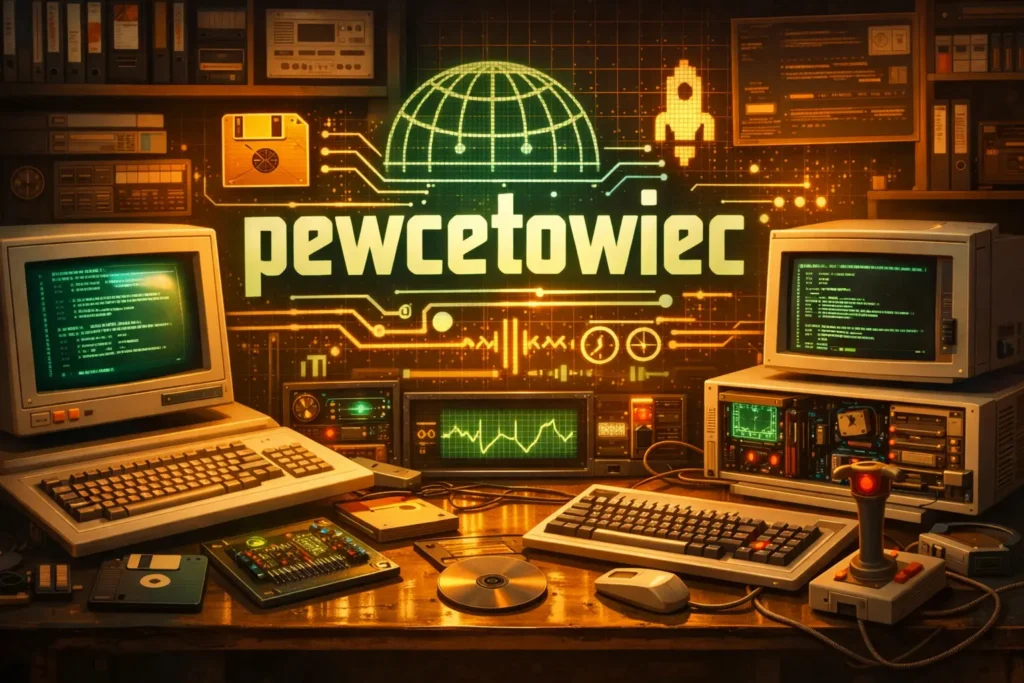

In recent years, the digital world has given birth to many new identities and cultural labels that describe how people relate to technology. One such emerging term is pewcetowiec. While still unfamiliar to many readers, this concept is gradually finding its place in discussions about digital independence, community-driven innovation, and personal relationships with computers and software.
This article explores the meaning, roots, values, and cultural impact of pewcetowiec in a clear and human way. It looks beyond technical definitions and focuses on the mindset behind the word, showing how it reflects a deeper connection between individuals and technology in a fast-changing digital age.
Introduction: Why New Digital Identities Matter
Quick Bio
| Feature | Details |
|---|---|
| Keyword | pewcetowiec |
| Category | Digital Culture & Technology Identity |
| Meaning | A cultural term representing individuals who value independent, creative, and informed interaction with technology |
| Origin | Derived from computer-user slang and digital subculture communities |
| Core Values | Digital autonomy, curiosity, customization, and community knowledge |
| Associated With | Open systems, retro computing, tech forums, and DIY technology |
| Main Focus | Understanding technology rather than just consuming it |
| Cultural Role | Symbol of digital independence and thoughtful tech usage |
| Audience | Tech enthusiasts, bloggers, digital culture readers |
| Purpose of Article | To explain the meaning, mindset, and relevance of pewcetowiec in modern society |
Technology is no longer just a tool; it shapes lifestyles, beliefs, and communities. People are no longer simply “users” of devices. They identify themselves through how they interact with technology—whether as gamers, coders, creators, or digital minimalists.
The term pewcetowiec fits into this broader pattern. It does not describe a product or a single profession. Instead, it captures a way of thinking about computers and digital life. It represents individuals who value control, creativity, and knowledge over convenience and mass-market trends.
Understanding this concept helps explain how modern tech culture is evolving and why certain communities resist mainstream digital habits in favor of more intentional and meaningful engagement.
The Origins and Linguistic Roots of the Term
The word pewcetowiec appears to have linguistic ties to Eastern European tech slang, particularly terms associated with personal computer users. Historically, similar expressions were used to describe people who strongly identified with desktop computers rather than consumer gadgets or closed systems.
Over time, the word evolved into something more symbolic. It no longer simply refers to a person who owns a computer. Instead, it points toward a cultural identity shaped by curiosity, independence, and hands-on interaction with technology.
This transformation mirrors how language adapts to social change. Just as earlier generations had labels for radio enthusiasts or hobby engineers, today’s digital generation creates new terms to describe its relationship with software, hardware, and online communities.
Defining Pewcetowiec as a Cultural Identity
At its core, pewcetowiec is not about brand loyalty or technical skill alone. It is about attitude. A person described by this term often sees technology as something to be explored rather than consumed.
This identity can be summarized through several defining traits:
- A strong interest in understanding how systems work
- A preference for customization instead of default settings
- A desire for independence from closed platforms
- Respect for learning through experimentation
Unlike casual users who rely entirely on ready-made applications, individuals aligned with this mindset enjoy shaping their digital environment. They might adjust operating systems, explore alternative software, or take part in community-driven projects.
This makes pewcetowiec less of a label and more of a philosophy of digital life.
Connection to Digital Counterculture
Digital counterculture refers to communities that challenge mainstream technology practices. These groups often prioritize privacy, freedom, and creativity over profit and popularity.
Pewcetowiec culture fits naturally into this space. It values:
- Open systems instead of locked ecosystems
- Skill development instead of passive consumption
- Collaboration instead of corporate dependency
These values reflect a broader movement that sees technology as a shared human resource rather than a controlled commodity. Members of this culture often gather in forums, discussion boards, and small communities where knowledge is exchanged freely.
This spirit of independence echoes earlier hacker and maker movements that believed technology should empower individuals rather than limit them.
Mindset and Personal Philosophy
The mindset of a pewcetowiec is shaped by curiosity and responsibility. Instead of asking, “What app should I download?” the question becomes, “How does this work and how can I improve it?”
This mindset includes:
Learning Through Practice
Experimentation is central. Mistakes are seen as part of growth, not as failures.
Control Over Tools
There is a desire to understand and manage tools rather than be controlled by them.
Long-Term Thinking
Rather than following trends, there is respect for sustainable and stable systems.
Community Knowledge
Sharing knowledge strengthens both individuals and groups.
This philosophy encourages a balanced relationship with technology—neither rejecting it nor blindly following it.
Technology as a Creative Space
For many, computers are devices for entertainment or productivity. For a pewcetowiec, they are creative spaces. Technology becomes a canvas where ideas can be tested and built.
This includes:
- Writing small programs for personal use
- Designing custom digital environments
- Exploring older technologies to understand modern ones
- Using tools as instruments of expression
Such creativity transforms digital interaction into a meaningful experience. Instead of scrolling endlessly, individuals create, repair, and redesign.
This approach helps preserve the original spirit of computing: exploration, problem-solving, and imagination.
Community and Shared Culture
No cultural identity exists alone. Pewcetowiec thrives in communities where people share tips, stories, and discoveries. These communities may not always be visible on mainstream social networks. Instead, they often exist in specialized discussion spaces focused on depth rather than popularity.
In these communities:
- Respect is earned through contribution
- Knowledge is valued more than fame
- Conversations are detailed and thoughtful
This environment builds a sense of belonging among people who see technology not as a product but as a shared language.
Difference Between Mainstream Tech Users and Pewcetowiec Culture
Mainstream technology use is built on convenience. Devices are designed to work instantly with minimal effort. While this is useful, it can also reduce awareness of how systems function.
In contrast, pewcetowiec culture focuses on engagement rather than automation.
Mainstream Approach
- One-click solutions
- Closed ecosystems
- Fast upgrades
- Trend-driven behavior
Pewcetowiec Approach
- Custom solutions
- Open systems
- Long-term use
- Purpose-driven behavior
This difference explains why the identity is sometimes seen as a quiet form of resistance against over-simplified digital life.
The Role of Nostalgia and Retro Computing
An interesting aspect of this identity is its connection to older technology. Many enthusiasts explore earlier generations of computers to understand modern systems better.
This interest in retro computing reflects:
- Respect for technological history
- Desire to learn fundamentals
- Appreciation for simplicity
By studying older machines and software, individuals gain insight into how digital systems evolved. This knowledge strengthens their understanding of current technology and encourages thoughtful innovation.
Digital Autonomy and Personal Freedom
One of the most important ideas behind pewcetowiec is digital autonomy. This means having control over one’s own data, tools, and digital habits.
Digital autonomy includes:
- Choosing software intentionally
- Understanding privacy risks
- Reducing dependence on large platforms
- Managing one’s own digital environment
This does not mean rejecting modern services entirely. It means using them with awareness and responsibility.
Such autonomy empowers individuals to shape their online lives instead of being shaped by algorithms.
Influence on Modern Computing Communities
Even though the term is niche, its influence can be seen in many modern movements:
- Open-source development
- Privacy-focused tools
- DIY hardware projects
- Independent tech blogs
These spaces share the same values: transparency, cooperation, and creativity. In this way, pewcetowiec culture quietly shapes the direction of future digital practices.
It shows that not everyone wants technology to be invisible. Some want it to be understandable and meaningful.
Why the Concept Matters Today
In a world dominated by automation and artificial intelligence, understanding our relationship with technology is more important than ever. Pewcetowiec represents a thoughtful response to rapid digital change.
It reminds us that:
- Technology should serve human goals
- Learning should never stop
- Creativity is more valuable than convenience
- Community strengthens innovation
This perspective encourages people to slow down and reconnect with the tools they use daily.
Challenges and Misunderstandings
Like any emerging identity, pewcetowiec can be misunderstood. Some may see it as outdated or overly technical. Others may think it excludes casual users.
In reality, the concept is inclusive. It does not require advanced skills. It only requires curiosity and respect for learning. Anyone can adopt its principles by becoming more aware of how they use technology.
The challenge lies in communicating this idea clearly and avoiding stereotypes.
The Future of Pewcetowiec Culture
As technology becomes more complex, there will always be people who want to understand it deeply. This ensures that the spirit of pewcetowiec will continue to grow.
Future trends may include:
- Stronger digital education communities
- More emphasis on privacy and ownership
- Greater interest in alternative platforms
- A renewed focus on digital craftsmanship
Rather than disappearing, this identity may evolve alongside new tools and technologies.
Conclusion
The concept of pewcetowiec represents more than a technical label. It symbolizes a thoughtful, creative, and independent relationship with technology. Rooted in curiosity and community, it challenges the idea that digital life must be passive and trend-driven.
By focusing on learning, autonomy, and meaningful engagement, this cultural identity offers a fresh perspective on how humans and machines can coexist in a balanced way. In an age of rapid innovation, such values are not only relevant—they are necessary.
Understanding pewcetowiec helps us reflect on our own digital habits and encourages us to build a more intentional and human-centered future with technology.
FAQs
What does pewcetowiec mean in simple terms?
It refers to a person who treats technology as something to explore and understand rather than just consume, valuing independence and creativity.
Is pewcetowiec a profession or a hobby?
It is neither a profession nor a hobby. It is more of a mindset or cultural identity related to how someone interacts with technology.
Do you need advanced technical skills to be considered a pewcetowiec?
No. Curiosity, willingness to learn, and interest in understanding tools are more important than technical expertise.
How is this different from being a normal computer user?
A regular user focuses on convenience, while this identity emphasizes learning, customization, and control over digital tools.
Why is the idea of pewcetowiec important today?
Because it promotes digital awareness, independence, and responsible use of technology in a world driven by automation and large platforms.
Read More: ThedaCare Smart Square: A Complete Guide to Modern Healthcare Workforce Scheduling and Management