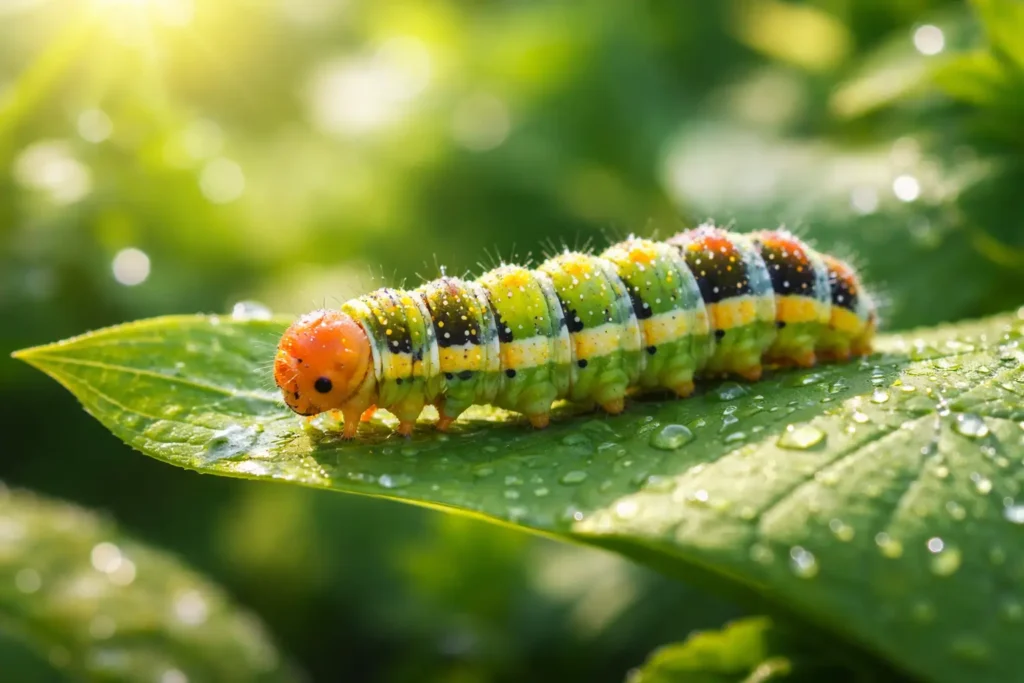

Nature is full of fascinating creatures, and caterpillars are among the most interesting small organisms found in gardens, forests, and parks. Among the many names used to describe small and colorful caterpillars, the term munchkin caterpillar has gained attention in recent years. It is commonly used in educational discussions, parenting content, and nature-related blogs to describe a tiny, cute caterpillar that captures the curiosity of children and adults alike.
A munchkin caterpillar is often associated with small caterpillars that appear colorful, soft, and friendly in appearance. The name “munchkin” usually refers to something tiny or adorable, which makes the phrase perfect for describing small caterpillars that people frequently notice in gardens or outdoor environments. In addition to representing a natural insect stage, the term is also widely used in children’s toys, crafts, and educational activities.
This article explores the meaning, characteristics, habitat, diet, lifecycle, ecological importance, and educational value associated with the munchkin caterpillar. By understanding this small creature and its role in nature, readers can gain a deeper appreciation for how insects contribute to the environment and learning experiences.
Understanding the Meaning of a Munchkin Caterpillar
The phrase munchkin caterpillar is not always tied to a specific scientific species. Instead, it is a descriptive term that refers to small caterpillars that appear cute, colorful, or interesting to observe. Because of this, the name is often used in educational contexts, storytelling, parenting blogs, and children’s learning materials.
In many cases, the term describes a caterpillar that is:
- Small in size
- Brightly colored or patterned
- Soft and segmented in appearance
- Easy to spot on garden leaves
The idea behind the name is to make caterpillars more approachable and less intimidating for young learners. Children who hear the phrase munchkin caterpillar are more likely to view the insect as something fascinating rather than something strange or scary.
Physical Characteristics of a Munchkin Caterpillar
Caterpillars are the larval stage of butterflies and moths, and they have several unique physical traits. When people refer to a munchkin caterpillar, they usually mean a tiny caterpillar that displays noticeable colors and patterns.
Size and Body Structure
Most caterpillars that fall under this description are around 1 to 2 inches long. Their bodies are divided into several soft segments that allow them to bend and move easily across leaves and plant stems.
Each segment contributes to their flexible movement, making it easier for them to crawl and grip surfaces.
Legs and Movement
Caterpillars have two main types of legs:
- True legs located near the front of the body
- Prolegs located in the middle and rear sections
The combination of these legs allows the munchkin caterpillar to move with a looping or crawling motion. This unique movement pattern is one of the reasons why caterpillars are so fascinating to observe.
Colors and Patterns
Many caterpillars have bright colors such as:
- Green
- Yellow
- Orange
- Black
- Brown
These colors often help them blend into their surroundings. In some cases, they also act as warning signals to predators.
Habitat and Natural Environment
Caterpillars are commonly found in areas where plants grow in abundance. A munchkin caterpillar typically lives in environments that provide both food and shelter.
Common Locations
Some of the most common habitats include:
- Gardens
- Meadows
- Forest edges
- Parks
- Agricultural fields
These areas provide the leaves and plant matter that caterpillars rely on for survival.
Why Plants Are Important
Plants serve two major purposes for caterpillars. First, they provide food in the form of leaves and stems. Second, they act as hiding places that protect caterpillars from predators such as birds and insects.
Because caterpillars are vulnerable creatures, they depend heavily on camouflage and plant coverage to stay safe.
Diet and Feeding Habits
One of the most noticeable characteristics of any caterpillar is its appetite. A munchkin caterpillar spends a large portion of its life eating leaves and plant material.
Herbivorous Feeding Behavior
Caterpillars are herbivores, which means they feed only on plants. Their strong jaws allow them to chew through leaves quickly.
Some of the plants they commonly eat include:
- Milkweed
- Clover
- Dandelion
- Garden vegetables
- Flowering plants
Because they eat frequently, caterpillars grow rapidly during the larval stage.
Why Caterpillars Eat So Much
The larval stage is the period when caterpillars must build up energy for their transformation into butterflies or moths. The more they eat, the faster they grow and develop.
This constant feeding helps the munchkin caterpillar prepare for the dramatic changes that occur during metamorphosis.
Lifecycle of a Caterpillar
The transformation from caterpillar to butterfly or moth is one of the most remarkable processes in nature. The munchkin caterpillar follows the same four-stage lifecycle as all butterflies and moths.
1. Egg Stage
The lifecycle begins when a butterfly or moth lays eggs on the leaves of a host plant. These eggs are extremely small and often difficult to see.
2. Larva Stage (Caterpillar)
Once the egg hatches, a caterpillar emerges. This stage is when the insect focuses on eating and growing. The caterpillar molts several times as it outgrows its skin.
This stage is where the creature is often described as a munchkin caterpillar, especially when it is still small and developing.
3. Pupa Stage
After reaching a certain size, the caterpillar forms a protective covering called a chrysalis or cocoon. Inside this structure, a remarkable transformation takes place.
4. Adult Stage
Eventually, the insect emerges as a butterfly or moth. The adult insect now has wings and begins a completely different stage of life focused on reproduction and pollination.
Importance in the Ecosystem
Although small, caterpillars play an essential role in natural ecosystems. The munchkin caterpillar contributes to environmental balance in several ways.
Supporting the Food Chain
Caterpillars are a major food source for many animals, including:
- Birds
- Small mammals
- Reptiles
- Other insects
Without caterpillars, many animals would struggle to find enough food.
Plant Population Balance
By feeding on leaves, caterpillars help regulate plant growth. This natural process ensures that no single plant species becomes overly dominant in an ecosystem.
Indicator of Environmental Health
A healthy population of caterpillars usually indicates that an ecosystem is functioning properly. When pesticides or pollution disrupt habitats, caterpillar populations often decline.
Educational Value for Children
The munchkin caterpillar has become a popular subject in children’s learning activities. Because caterpillars undergo such dramatic changes, they provide an excellent way to teach concepts related to biology and growth.
Learning About Nature
Observing caterpillars helps children understand:
- The lifecycle of insects
- The importance of plants in ecosystems
- The concept of transformation
Teachers often use caterpillar examples when explaining basic science topics.
Encouraging Curiosity
When children see a munchkin caterpillar crawling across a leaf, they naturally become curious. This curiosity encourages them to ask questions and learn more about nature.
Caterpillar Crafts and Creative Activities
Caterpillars also inspire many creative projects for children. These activities combine art, learning, and imagination.
Popular Caterpillar Crafts
Some common craft ideas include:
- Paper ring caterpillars
- Egg carton caterpillars
- Painted rock caterpillars
- Pom-pom caterpillars
These activities allow children to create colorful representations of caterpillars while improving their motor skills.
Benefits of Craft Activities
Craft projects based on the munchkin caterpillar can help children develop:
- Creativity
- Hand-eye coordination
- Pattern recognition
- Problem-solving skills
These activities make learning about nature both fun and memorable.
Symbolism and Meaning
Beyond its biological role, the caterpillar carries powerful symbolic meaning. The transformation from caterpillar to butterfly often represents personal growth and change.
Symbol of Transformation
Because a munchkin caterpillar eventually becomes a butterfly or moth, it is frequently used as a symbol of transformation. Many stories and educational lessons use this idea to teach children about patience and growth.
Representation of New Beginnings
The caterpillar’s journey also represents new beginnings. Just as the insect transforms into something entirely different, people can also grow and change over time.
Why the Munchkin Caterpillar Fascinates People
Small creatures often capture attention because they show how complex life can be even at tiny scales. The munchkin caterpillar fascinates people for several reasons.
First, its appearance is colorful and unique. Second, its lifecycle demonstrates one of the most dramatic transformations in nature. Finally, it connects science, education, and creativity in a way that appeals to both children and adults.
By observing caterpillars in gardens or parks, people can gain a better understanding of the natural world around them.
Conclusion
The munchkin caterpillar represents more than just a small insect. It symbolizes curiosity, learning, and transformation. Whether encountered in a garden, a classroom activity, or a children’s story, this tiny creature encourages people to appreciate the wonders of nature.
From its small and colorful body to its incredible transformation into a butterfly or moth, the caterpillar reminds us that growth often begins with humble beginnings. Observing and learning about these tiny insects can inspire both scientific interest and creative exploration.
Understanding the role of the munchkin caterpillar in ecosystems, education, and creativity helps highlight the importance of protecting nature and encouraging curiosity about the living world.
Frequently Asked Questions (FAQs)
1. What is a munchkin caterpillar?
A munchkin caterpillar is a descriptive term often used to refer to a small, cute, or colorful caterpillar that people commonly observe in gardens or educational settings.
2. Where can a munchkin caterpillar usually be found?
A munchkin caterpillar is typically found in gardens, parks, forests, and other environments where plants grow and provide food and shelter.
3. What does a munchkin caterpillar eat?
Most caterpillars eat plant leaves such as milkweed, clover, and other garden plants because they are herbivores.
4. What does a munchkin caterpillar turn into?
After completing its larval stage, a munchkin caterpillar forms a chrysalis and eventually transforms into a butterfly or moth.
5. Why is the munchkin caterpillar used in children’s education?
The munchkin caterpillar is often used in learning activities because its lifecycle clearly demonstrates growth, transformation, and the importance of nature.
Read More : Niki Ikahihifo-Bender Life, Career, and Personal Journey